
Therapy-related myeloid neoplasms represent one of the most significant current challenges in hematologic oncology due to their biological complexity, their aggressive clinical course, and the limited effectiveness of conventional treatments. In this context, biomedical research is seeking new strategies that make it possible to move toward more precise approaches tailored to the characteristics of each patient.
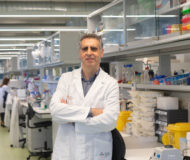
Along these lines, an international research project is being carried out with the participation of the Sant Pau Research Institute (IR Sant Pau), focused on the development of precision medicine strategies to improve the management of this type of hematologic cancer. The study is led by Dr. Manel Esteller, head of the Cancer Epigenetics group at IR Sant Pau, and has received a competitive grant from the Instituto de Salud Carlos III (ISCIII). This is within the framework of the 2025 International Collaboration Projects call of the Strategic Action in Health.
The project will have a total budget of €300,000 and will be carried out over three years (2026–2028), within the context of the European program EP PerMed (European Partnership for Personalised Medicine), which promotes innovative approaches based on pharmacogenomics and the personalization of treatments.
Therapy-related myeloid neoplasms arise because of previous oncologic treatments and are characterized by marked molecular heterogeneity, which complicates their clinical management and limits responses to standard therapies. This biological diversity makes it particularly necessary to gain more in-depth insight into the mechanisms underlying the disease and their relationship with treatment response.
In this regard, the project proposes an advanced molecular characterization of the disease with the aim of identifying biological profiles that enable improved patient stratification and optimized therapy selection. “Gaining an in-depth understanding of the molecular alterations that characterize these neoplasms is key to moving toward more effective treatments tailored to each patient, especially in a clinical context as complex as that of therapy-related myeloid neoplasms,” explains Dr. Esteller.
To this end, the study will integrate state-of-the-art genomic and transcriptomic technologies, including single-cell analyses, advanced sequencing, and multi-omics analysis strategies, which will provide a detailed view of the biological processes involved in the disease.
The work will be carried out in collaboration with other national and international research groups within the framework of the networks promoted by EP PerMed. It will make extensive use of scientific infrastructures specialized in genomics, data analysis, and sequencing platforms. This approach will make it possible to obtain an integrated view of the molecular mechanisms involved in the disease and their impact on therapeutic response.
The funding awarded will be used primarily to cover costs associated with advanced scientific services, such as specialized sequencing, the processing, and analysis of large data volumes, international project coordination, and the dissemination of results at scientific conferences. It also covers open-access publications.
The participation of IR Sant Pau in this project reinforces its commitment to translational research and precision medicine. It also involves international initiatives aimed at improving the diagnosis, prognosis, and treatment of complex oncologic diseases through personalised approaches based on molecular knowledge of the disease.

